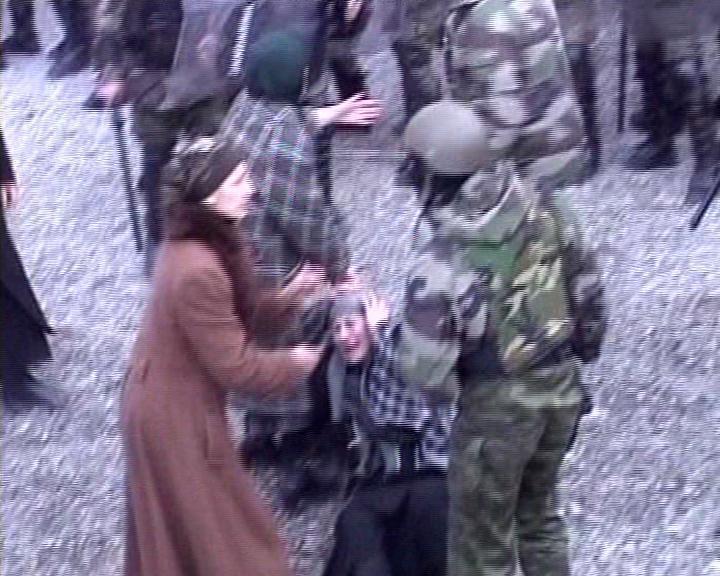
Available for licensing through TVData.tv
The 1986 Chernobyl disaster remains one of the world’s most significant nuclear accidents, capturing global attention with its devastating impact and haunting imagery. Now,. This rare helicopter stock footage of the destroyed Chernobyl reactor provides an extraordinary viewpoint.

Rare Helicopter Footage of Chernobyl’s Destroyed Nuclear Reactor Now Available for Licensing on TVData.tv
Tape Narration
1. Introduction & Timeline
On April 26, 1986, at 1:23 AM, a catastrophic explosion tore through the Fourth Reactor Unit of the Chernobyl Nuclear Power Plant (ChNPP) in Ukraine, marking one of the most devastating industrial disasters in human history.
The blast and subsequent fire caused severe damage to the reactor building, its ventilation systems, and surrounding turbine halls, while tragically claiming numerous lives.
Chernobyl & Pripyat 2010 | Royalty-Free 4K Archive Footage
Rare Chernobyl Footage from 1996 Available for Licensing – interview from March 21, 1996, with ex-deputy director of the Chernobyl Nuclear Power Plant
At TVData.tv, we specialize in curating rare and impactful archival footage—and one of our most…
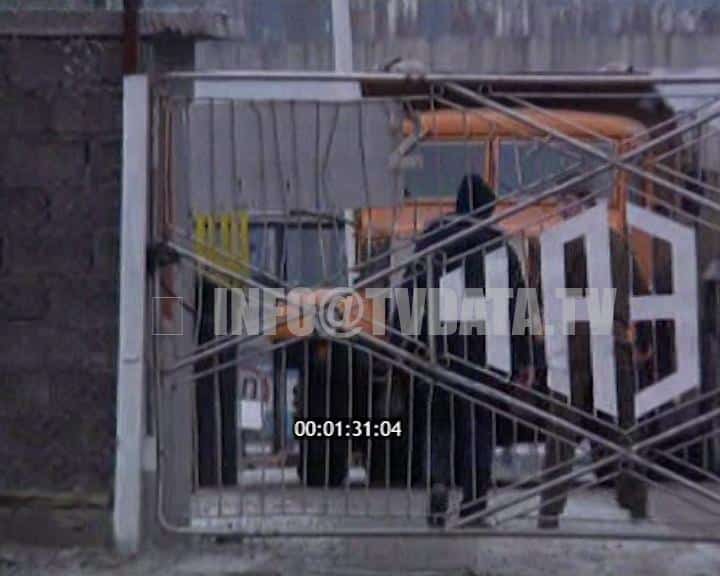
CHERNOBYL Blocks 1, 2, and 3 filmed durign operating before shut down in 2000
CHERNOBYL, – A sign reading “e26 operating” stands at the entrance to the Chernobyl Nuclear…
catastrophic explosion
This rare aerial footage, filmed from a firefighter helicopter, offers a haunting yet historically invaluable view of the Chernobyl disaster. As the helicopter circles above the site, viewers can observe the collapsed roof, twisted metal, and charred remnants of the Soviet nuclear power plant. The firefighters’ helicopter operations reveal early emergency response efforts as crews attempt to assess and contain the spreading devastation.
Furthermore, the aerial survey captures the less severely affected end section of the structure, where ventilation ducts and external pipelines appear bent and warped from the intense heat. The turbine hall damage, the ventilation system collapse, and the radioactive smoke rising from the core all combine to illustrate the immense scale of the nuclear power plant accident.
In the background, the ghost city of Pripyat and the Chernobyl Exclusion Zone appear eerily silent, symbolizing the vast human and environmental cost of this nuclear meltdown. This archival footage serves as both a visual record and a testament to the bravery of those who flew directly over the burning reactor in their firefighter helicopters.
- First Response Teams:
A group of technical experts and specialists—led by Nikita—arrived at the plant on the evening of April 26. A second group, which included video operators, arrived on April 27.
2. Extent of Damage
The most heavily damaged sections were those adjacent to the balloon (pressurized) system of the reactor’s emergency cooling system and the area housing the main circulation pumps. The explosion spared the end section of the building from major destruction, leaving it with damage mainly to the ventilation system.
- Interior & Structural Impact:
- Significant destruction occurred around the reactor installation and within Building B (the area with scaffolding and equipment).
- Other nearby structures remained largely intact.
3. Debris & Radioactive Materials
The explosion scattered large amounts of graphite and radioactive debris across the rooftops, beneath the pipelines, and around the destroyed reactor block.
- Inside the Reactor Remains:
Beneath the collapsed wreckage, there were massive fragments of construction materials, parts of the central hall crane, and even components of the loading and unloading machine.- Notable Observation: Bright red-hot graphite fragments ejected from the reactor core were clearly visible.
4. Efforts to Reduce Radioactive Emissions
Beginning on April 27, more than 5,000 tons of various protective materials were dropped into the reactor shaft from helicopters. This was done in an attempt to contain radioactive releases and mitigate the spread of contamination.
5. View of the Ruins
When observing from the liquid and solid waste storage area, one could see:
- The transfer chute (in the foreground) almost entirely destroyed.
- The central hall’s canopy (the so-called “tent”) and the monolithic supporting walls of the reactor compartment heavily damaged.
- The circulation loop equipment—including separators and downpipes—still largely in their original positions.
- Ventilation systems were found to be destroyed.
6. The City of Pripyat
The nearby city of Pripyat, home to the plant’s construction workers and operational staff, was evacuated on April 27 within a span of two hours.
Population & Abandonment:
Once home to nearly 50,000 residents, Pripyat’s multi-story residential blocks were left deserted—an emptiness that would persist for a long time.
How Did They Film It?
- Immediate Response
- In the early hours following the disaster, Soviet first responders, including Chernobyl first firefighters, were dispatched to control the fire on Reactor 4. Helicopters were used to drop sand, lead, and boron onto the exposed core in an attempt to contain the spread of radioactive material.
- Onboard Cameras
- Despite the intense radiation and high-risk conditions, some helicopter crews brought along rudimentary video cameras. The urgency to document the extent of the damage and guide containment efforts led to the production of rare aerial footage over the smoking ruins of the reactor.
- Soviet-Era Coverage
- Because of strict Soviet information controls at the time, footage was often kept classified or tightly managed. Only fragments were released publicly, making uncensored or full-length aerial recordings incredibly scarce—until now.
Chernobyl disaster video at TVDATA Images library – Exclusive Archival Video: Chernobyl Nuclear Meltdown
- Detailed Descriptions & Keywords
- “Nuclear accident,” “Soviet Union,” “Pripyat,” “firefighter helicopter,” “Reactor 4,” “aerial footage,” “nuclear meltdown,” “radioactive fallout,” etc.
- Rights-Managed vs. Royalty-Free
- Depending on the sensitivity and rarity, rights-managed (RM) licensing is common for iconic historical events.
- Royalty-free (RF) is less typical for exclusive archival footage but may still be offered for broader usage.
- Quality & Formats
- Restoration, color-correction, and digital remastering to meet HD standards, enabling documentary filmmakers, broadcast media, and educational institutions to obtain high-quality visuals for their projects.
Why License Through TVData.tv?
At TVData.tv, we specialize in stock footage licensing for documentaries, news broadcasts, educational programs, and historical retrospectives. Our platform offers:
- Exclusive Archival Access
- We partner with content holders to bring you footage not widely available through other channels, including Soviet-era historical film reels, firefighter helicopter vantage points, and rare on-the-ground recordings of monumental events like Chernobyl.
- Flexible Licensing Options
- Rights-Managed licensing for productions requiring exclusivity or limited distribution.
- Royalty-Free options (where applicable) for broader usage in various media without repeated fees.
- Global Distribution Support
- Our team assists with international broadcast clearances, ensuring compliance with regional regulations and archival usage rights.
- Enhanced Metadata & Keywords
- We embed detailed metadata—Chernobyl disaster, 1986 meltdown, nuclear accident, firefighters’ helicopter footage, Pripyat evacuation, Reactor No. 4—so you can find exactly what you need for your storyline or project narrative.
To help you locate and license this helicopter footage of the Chernobyl Nuclear Power Plant more efficiently, here are essential keywords:
- Chernobyl Disaster, 1986
- Chernobyl Nuclear Power Plant
- Destroyed Reactor 4
- Firefighters’ Helicopter Footage
- Soviet-Era Archival Video
- Radioactive Fallout
- Nuclear Meltdown Coverage
- Pripyat Evacuation
- Historical Stock Footage
- TVData.tv Licensing
- Documentary Content
- Rights-Managed Footage
- Royalty-Free Option
- Exclusive Archival Access
- Broadcast-Ready Video
- HD Restoration
- High-Risk Filming
- Rare Aerial Perspective
Using these terms when you’re searching or labeling your own collection will help maximize discoverability and streamline the licensing process.
Contact TVData.tv for Licensing Inquiries
Ready to include this powerful footage in your upcoming documentary, news special, or educational series?
- Visit: TVData.tv
- Email: info@tvdata.tv
By licensing through TVData.tv, you gain access to a one-of-a-kind historical record, expertly remastered and curated for modern broadcasting standards. Don’t miss the opportunity to enhance your project with the unforgettable visuals of Chernobyl’s destroyed nuclear reactor—captured from a firefighters’ helicopter at the height of one of history’s most catastrophic nuclear accidents.