MOSCOW, USSR — May 1972: Soviet General Secretary Leonid Brezhnev is seen seated at the long Kremlin treaty table, reviewing final documents during the signing of the SALT I agreements with the United States. Archival footage captures Brezhnev leaning forward beneath the chandeliers of St. Catherine’s Hall, flanked by senior Soviet officials, as Washington and Moscow take their first cautious steps toward limiting strategic nuclear weapons. The moment, marked by ceremony and underlying mistrust, became a defining image of early Cold War arms‑control diplomacy.
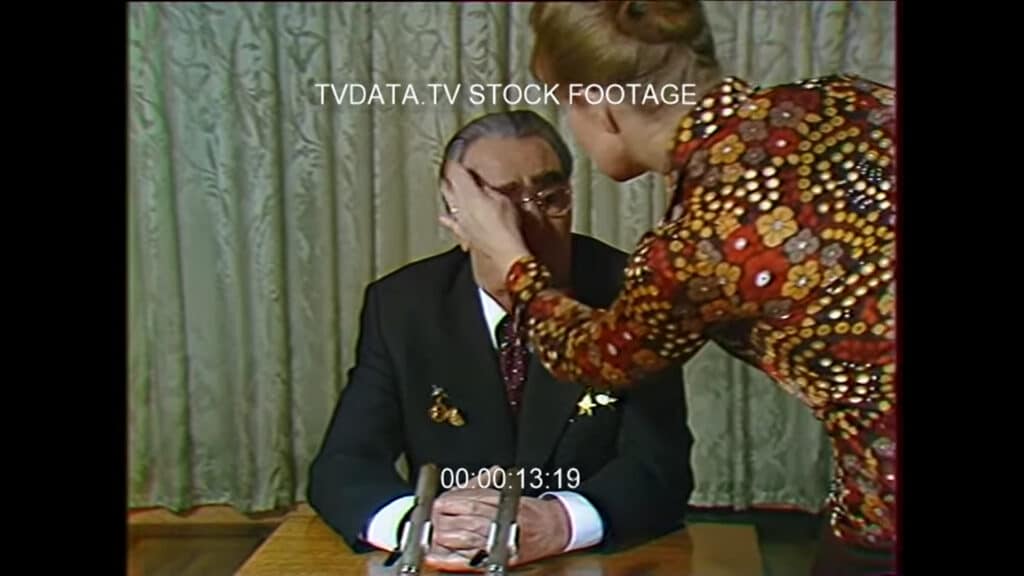
Brezhnev 1972 Moscow Summit
Nixon–Brezhnev meeting; Cold War diplomacy; arms control negotiations; St. Catherine’s Hall; Soviet leadership; nuclear arms limitation; .
Cold War arms‑control diplomacy
Kremlin treaty table & Cold War arms‑control diplomacy
The Soviet Nuclear Briefcase: Why It Did Not Exist in 1972
During the 1972 Nixon–Brezhnev SALT I summit, the Soviet Union did not yet possess a portable nuclear‑command briefcase. The system known today as the Cheget would only be developed years later, as part of a broader modernization of Soviet nuclear command and control.


1987 Tanker War & Strait of Hormuz | Merchant Vessel Archive Footage
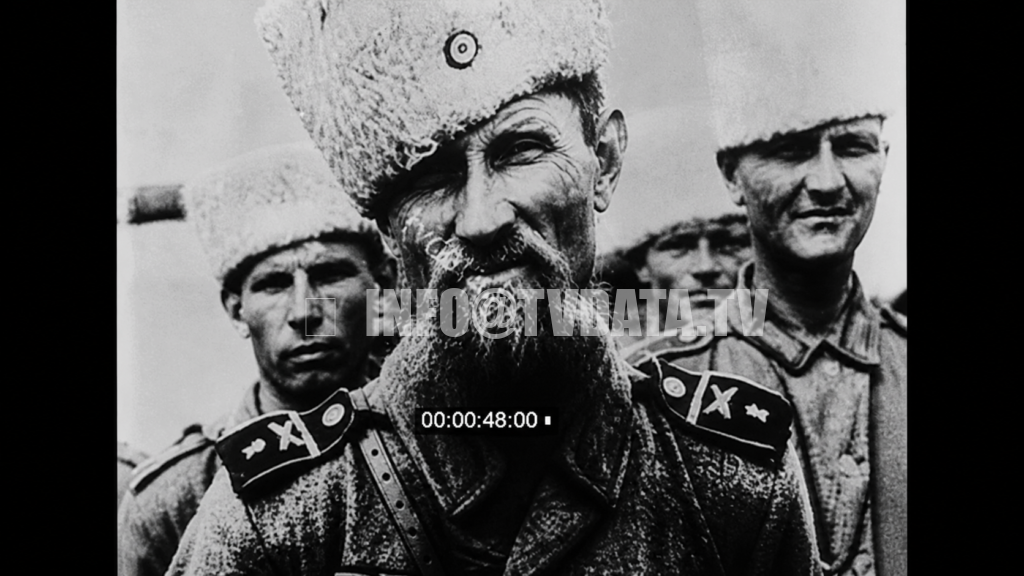
Rare Cossack History Archive Film (1917–1945) | Slavic Heritage
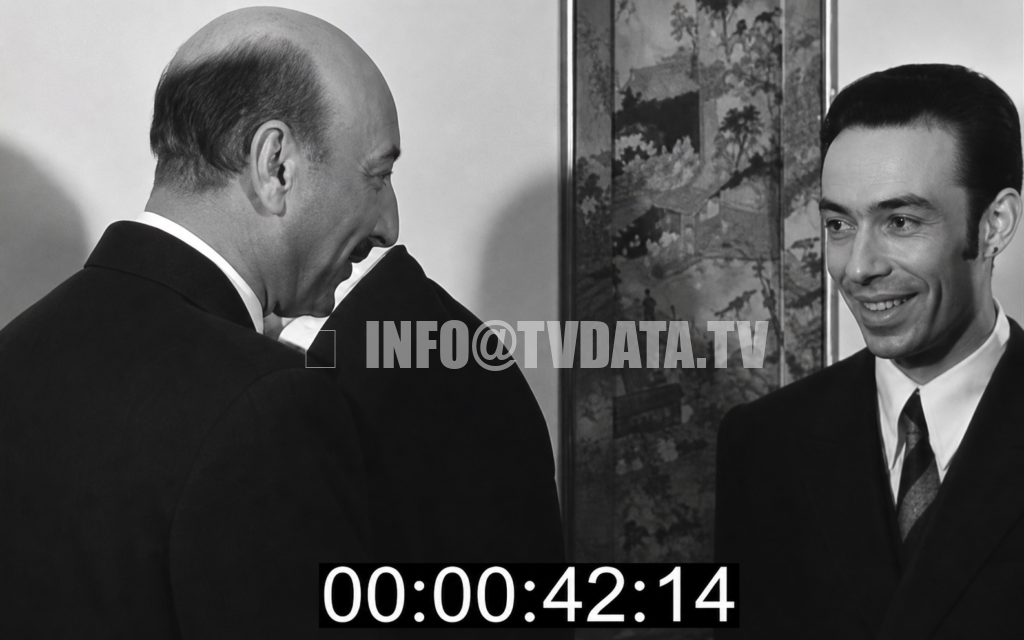
Brezhnev & King of Afghanistan 1971 Meeting | Kremlin Archive Footage

1987 Naval Convoy & Strait of Hormuz | Archival News Footage