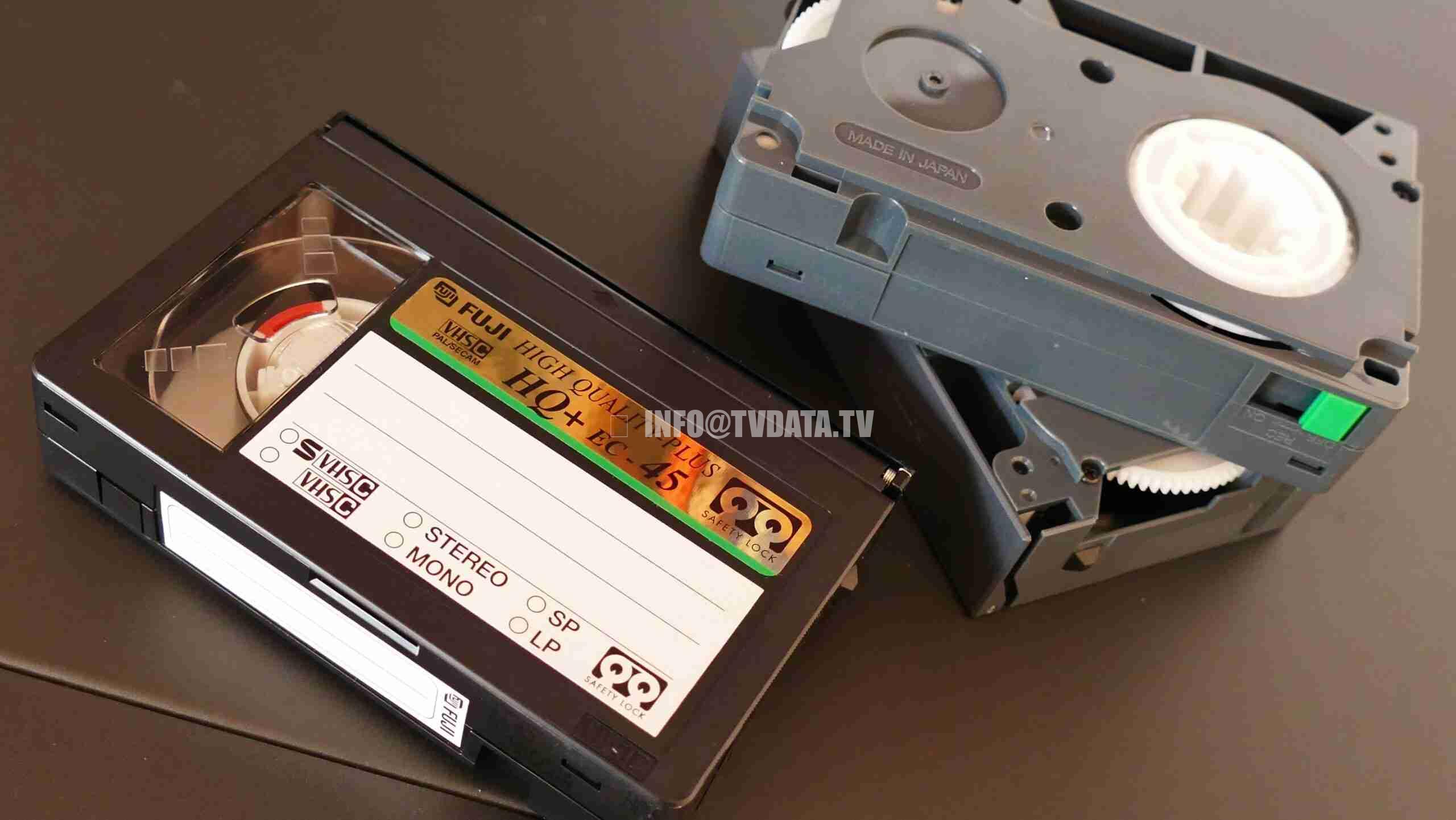
Bring old footage back to modern screens
K upscaling, and archival colourisation are tailored for industry professionals such asOur AI video restoration, 4 K upscaling, and archival colourisation are tailored for industry professionals like film archivists, museum curators, broadcasters, private collectors, and media experts, ensuring their collections are preserved and enhanced with confidence.
We work with legacy video and film sources including PAL, NTSC, Betacam, DVCAM, DV, archive transfers, documentary footage, television programmes, feature films, historical reels, old photographs and still images.
Our aim is simple: to make old material cleaner, sharper and more usable for modern screens while keeping its original character.
We do not destroy originals.
Original files are always kept safe and separate from the working copies. The restoration process uses a clean, conservative grade, with careful attention to the historical character of the footage. Colorized versions are clearly labelled, and final files can be prepared for review, broadcast discussion, exhibition, licensing or digital delivery.
AI Video Restoration Services
Old footage often has technical problems: softness, interlacing, low resolution, noise, flicker, faded colours, unstable frames or visible tape artefacts.
We use a combination of AI tools and manual review to carefully improve the material. Still, the. AI can help recover the appearance of edges, faces and detail, but human judgement is still essential.
Every project is checked visually so the result does not look artificial, over-sharpened or plastic.
Our video restoration work may include:
deinterlacing,
AI video upscaling,
noise reduction,
light colour correction,
contrast and tone correction,
flicker reduction,
image stabilisation,
grain matching,
shot-by-shot review,
final mastering for the required format.
4K Video Upscaling for Old and Archive Footage
We can upscale older video files to modern formats such as Full HD, 2K and 4K.
For archive and PAL material, 4K is usually the most sensible maximum delivery format. If the source is PAL 720×576, Betacam, DV or DVCAM, it is possible to prepare a much cleaner 4K version, but the result remains an enhanced version of the source, not native 4K camera footage.
That is why we choose the workflow carefully:
source inspection,
deinterlacing where needed,
colour correction,
AI enhancement,
upscaling,
review,
final export.
For many archival sources, pushing beyond 4K to 8K is technically possible, but not always recommended. 8K does not add real source detail if the original file was standard definition. It can also make the image look too artificial.
For most PAL, Betacam and DV archive footage, our recommended maximum is a carefully prepared 4K master.
PAL, Betacam, DVCAM and DV Video Restoration
Many archive tapes were digitised as PAL 720×576 or similar standard-definition files. These files can be significantly improved if handled correctly.
A typical PAL restoration workflow may include:
technical inspection of the file,
deinterlacing from interlaced video to progressive video,
colour and contrast correction,
AI-assisted upscaling,
final export to 4K 4:3 or 4K UHD 16:9.
This is especially useful for:
Betacam transfers,
DVCAM footage,
DV files,
old television programmes,
documentary material,
digitised feature films,
archive reels,
Historical stock footage.
Deinterlacing Before Upscaling
Many older PAL and NTSC sources are interlaced. If interlacing is not handled correctly before upscaling, the final video may show horizontal comb lines, jagged movement and motion artefacts.
We prepare the source first by converting it to a clean progressive file. This gives the AI upscale a better foundation and helps the final result look smoother on modern displays.
For PAL archive footage, we normally keep the original frame rate at 25 fps unless the client or broadcaster requires something different.
Light Colour Correction
Old video transfers often have faded colour, green or cyan shadows, low contrast or uneven brightness.
We apply light colour correction to improve the image without removing the original atmosphere of the footage.
This may include:
warming the image slightly,
neutralising colour casts,
lifting shadows,
adjusting contrast,
protecting highlights,
keeping a natural archive look.
We avoid heavy modern grading unless the client specifically requests it.
4:3 to 16:9 Video Conversion Options
Many older films and television programmes were created in 4:3. Modern platforms, broadcasters and cinemas may request 16:9 delivery.
There are several possible approaches.
Full 4:3 image inside 16:9
This is the safest and most archival option.
The full original 4:3 image is preserved inside a 16:9 frame. Nothing is stretched and nothing is cropped. Side bars remain on the left and right.
This protects the full original composition.
Full-screen 16:9 crop
The image can be cropped to fill the entire 16:9 frame.
This removes side bars, but part of the image at the top and bottom is lost. This option must be approved on a test sample before processing the full film.
16:9 with background fill
For online use, the full 4:3 image can be kept in the centre while a blurred or enlarged version fills the side areas.
This can work well for social media or presentation material, but it is not always the best choice for formal broadcast or cinema delivery.
We do not recommend stretching 4:3 footage to 16:9 because it distorts faces, people and objects.
4K Delivery Options
Depending on the source and final use, we can prepare:
Full HD 16:9 — 1920×1080
2K review or archive versions
4K 4:3 master — 2880×2160
4K UHD 16:9 master — 3840×2160
4K UHD 16:9 with full 4:3 frame preserved
4K UHD 16:9 cropped full-screen version
MP4 review files
ProRes master files
DPX image sequences
broadcast-style files by specification
DCP preparation for cinema screening where required
Broadcast and Cinema Mastering
MP4 is useful for review, online approval and easy playback. For television or cinema delivery, the final master may need to follow stricter technical requirements.
For broadcasters, this may include:
specific resolution,
codec,
container format,
audio format,
loudness level,
colour space,
frame rate,
delivery naming,
quality control requirements.
For cinema screening, a DCP may be required.
DCP means Digital Cinema Package. It is the professional package used by cinemas for projection. It is not the same as an MP4 file. DCP preparation is quoted separately and requires technical requirements from the cinema or distributor.
Archival Colorization
We also provide digital colorization for black-and-white stills and moving images.
Colorization is carried out with care and, where possible, with historical references. We may use information about date, place, uniforms, vehicles, architecture, props, surviving prints and visual context.
Colorized material is always treated as a new version. We label colorized versions clearly so the original record remains protected.
Photo Restoration and Still Enlargement
In addition to video work, TVDATA.TV restores and enlarges still images for books, exhibitions, museum displays, posters, archives and publishing projects.
This may include:
dust and scratch repair,
tone correction,
detail rebuilding,
upscaling,
print preparation,
TIFF/CMYK delivery,
JPEG print sets.
Use Cases
Documentaries and broadcast programmes
Feature films and television episodes
Stock footage libraries
Museums and galleries
Newsrooms and streamers
Publishers and academic presses
Family archives and estates
Corporate heritage films
Historical exhibitions
Cinema screening preparation
Archive footage licensing projects
How We Work
Every project starts with a short review of the source material. We check the file format, resolution, frame rate, aspect ratio, interlacing, colour condition and visible damage before recommending a workflow.
For video projects, we usually ask for a short sample first. This allows us to test the material properly and show what level of improvement is realistic before the full film or archive is processed.
Once the test is approved, we prepare the footage step by step. Older PAL, Betacam, DV or DVCAM material may need deinterlacing, light colour correction, noise reduction and AI-assisted upscaling before final mastering.
If the original image is 4:3 and the client needs a 16:9 version, we prepare framing options carefully. The full image can be preserved inside a 16:9 frame, or a cropped version can be tested separately for full-screen delivery.
After processing, we export the agreed review file or master format. MP4 files are suitable for preview and approval, while broadcast or cinema delivery may require ProRes, MXF, DPX, DCP or another technical format requested by the broadcaster, distributor or cinema.
Our process is careful, practical and transparent. We aim to improve the image while keeping the original character of the footage intact.
Recommended Workflow for Old PAL Video
For old PAL 720×576 files, a typical workflow is:
Original PAL file
deinterlacing to progressive 25 fps
light colour correction
AI 4K upscaling
4K 4:3 master or 4K UHD 16:9 version
final review file or professional master
This workflow gives the best balance between improved clarity and preservation of the original look.
Pricing
Pricing depends on runtime, source condition, required output format and complexity.
As a guide:
Technical inspection and short test sample — quoted individually
Deinterlacing and basic preparation — from £3–5 per minute
AI upscaling to Full HD or 2K — from £6–10 per minute
AI upscaling to 4K — from £10–15 per minute
AI 4K upscaling with light colour correction — from £12–18 per minute
Advanced restoration, noise reduction or shot-by-shot work — quoted individually
Broadcast master preparation — quoted individually
DCP preparation for cinema screening — quoted separately
For longer projects such as feature films, documentaries or multi-episode series, we can provide a project-based quotation after reviewing a sample.
Example Pricing
A 60-minute film requiring deinterlacing, light colour correction and AI 4K upscaling may typically start from £600–900.
A 90-minute feature film may typically start from £900–1,350.
A series, broadcast package or cinema delivery project is quoted after reviewing the source files and final technical requirements.
Final pricing is confirmed only after reviewing a sample file.
Turnaround
Turnaround depends on runtime, source quality and delivery format.
Short tests can usually be prepared first so the client can approve the visual direction before full processing begins.
Full films, archive reels and multi-episode projects require more time because AI processing, checking, export and quality review can be slow.
Broadcast and cinema projects may require additional time for mastering, technical checks and format preparation.
Ethics
We improve access to archive material without rewriting its history. We keep original files separate from working copies, and we can document important restoration or colorization decisions on request.
Our video engineer clearly labels colourised versions, so viewers do not confuse them with the original record. We also keep enhancements within sensible limits. The goal is to improve clarity, stability and usability while preserving the authenticity of the source.
When a project needs stronger intervention, we discuss the approach before final delivery. This helps the client understand what we restored, adjusted or reconstructed.
Deliverables
Video deliverables may include MP4 review files, ProRes 422 HQ, ProRes 4444, DPX image sequences, broadcast-style masters and other formats requested by the client.
Still image deliverables may include TIFF/CMYK, TIFF/16-bit and JPEG print sets.
Audio deliverables may include WAV or AAC depending on the required master.
Reports may include change logs, colour notes, restoration notes and credits.
Why TVDATA.TV
TVDATA.TV brings together archive research, rights awareness and modern restoration tools. Our work is guided by the historical value of the material, not by one-click effects or aggressive filters.
Each project is treated with care, whether it is being prepared for online review, print publication, museum display, broadcast discussion or cinema delivery. We aim for a clean, conservative grade that improves clarity while preserving the character of the original footage.
The result is carefully prepared archive material that looks stronger on modern screens without losing its sense of time, place and provenance.
FAQ
Can you upscale PAL 720×576 footage to 4K?
Yes. PAL 720×576 footage can be deinterlaced, restored, colour corrected and AI-upscaled to 4K.
For original 4:3 material, a clean 4K 4:3 master can be prepared at 2880×2160. A 4K UHD 16:9 version can also be prepared at 3840×2160.
Can you make 4:3 footage into 16:9?
Yes. The safest option keeps the full 4:3 image inside a 16:9 frame. A full-screen 16:9 version is possible through cropping, but this must be approved on a test sample first.
We do not recommend stretching 4:3 footage to 16:9.
Is 8K possible?
Technically, 8K upscaling may be possible for some material. However, for standard-definition sources such as PAL 720×576, 4K is usually the recommended maximum. 8K can make the image look artificial without adding real source detail.
Can you prepare files for television?
Yes. We can prepare review files and broadcast-style masters. Final broadcast delivery should follow the technical requirements of the specific broadcaster.
Can you prepare DCP for cinema?
DCP preparation can be considered separately. A DCP is a professional cinema projection package and requires technical requirements from the cinema or distributor.
Do you keep my originals safe?
Yes. We work on copies and keep original files separate from processed versions.
Do you disclose colorization?
Yes. We label colorized versions clearly and can provide notes on the process.
Can you match a sample film or print?
Yes. Send a reference and we can match colour, grain, contrast and general visual style where possible.
Request a Quote
Every archive project is different, so we usually start with a short sample review. This helps us understand the condition of the source file, the realistic level of improvement, and the best delivery format.
To prepare an estimate, please send a 30–60 second sample together with the total runtime of the material. It also helps to know how many files or episodes are included, the current file format and resolution, and whether the final version is needed for online review, broadcast discussion, exhibition, licensing, cinema screening or internal archive use.
If the project is intended for a broadcaster, distributor or cinema, please include their technical specifications where available. Requirements may affect the final format, codec, audio settings, aspect ratio, mastering workflow and delivery cost.
Guide Pricing
Pricing depends on the condition of the source material, runtime, required output format and complexity of the restoration.
As a general guide:
Basic deinterlacing and preparation starts from £3–5 / $4–7 per minute.
Upscaling to Full HD or 2K usually starts from £6–10 / $8–13 per minute.
AI upscaling to 4K usually starts from £10–15 / $13–20 per minute.
4K upscaling with light colour correction usually starts from £12–18 / $15–23 per minute.
Advanced restoration, heavy noise reduction, scratch repair, flicker correction, shot-by-shot colour work, broadcast mastering and DCP preparation are quoted individually.
For longer projects such as feature films, documentaries or multi-episode series, we can provide a project-based quotation after reviewing a sample.
A 60-minute film requiring deinterlacing, light colour correction and AI 4K upscaling may typically start from £600–900 / $780–1,170.
90-minute feature film typically starts at £900–1,350 / $1,170–1,755.
Final pricing is confirmed after sample review and after agreeing the required delivery format.
After reviewing the material, we can recommend the best workflow, prepare a test sample and confirm price and turnaround.
Contact
Email: footage@tvdata.tv
YouTube: @TVDATA
WhatsApp: +1 408 6000538